Listen for the real problem
Understand the work, the people doing it, and the pressure around it before prescribing an answer.
About Willie
That curiosity has taken me from banking and team leadership into the many moving parts of a growing technology business—and eventually into a business of my own.
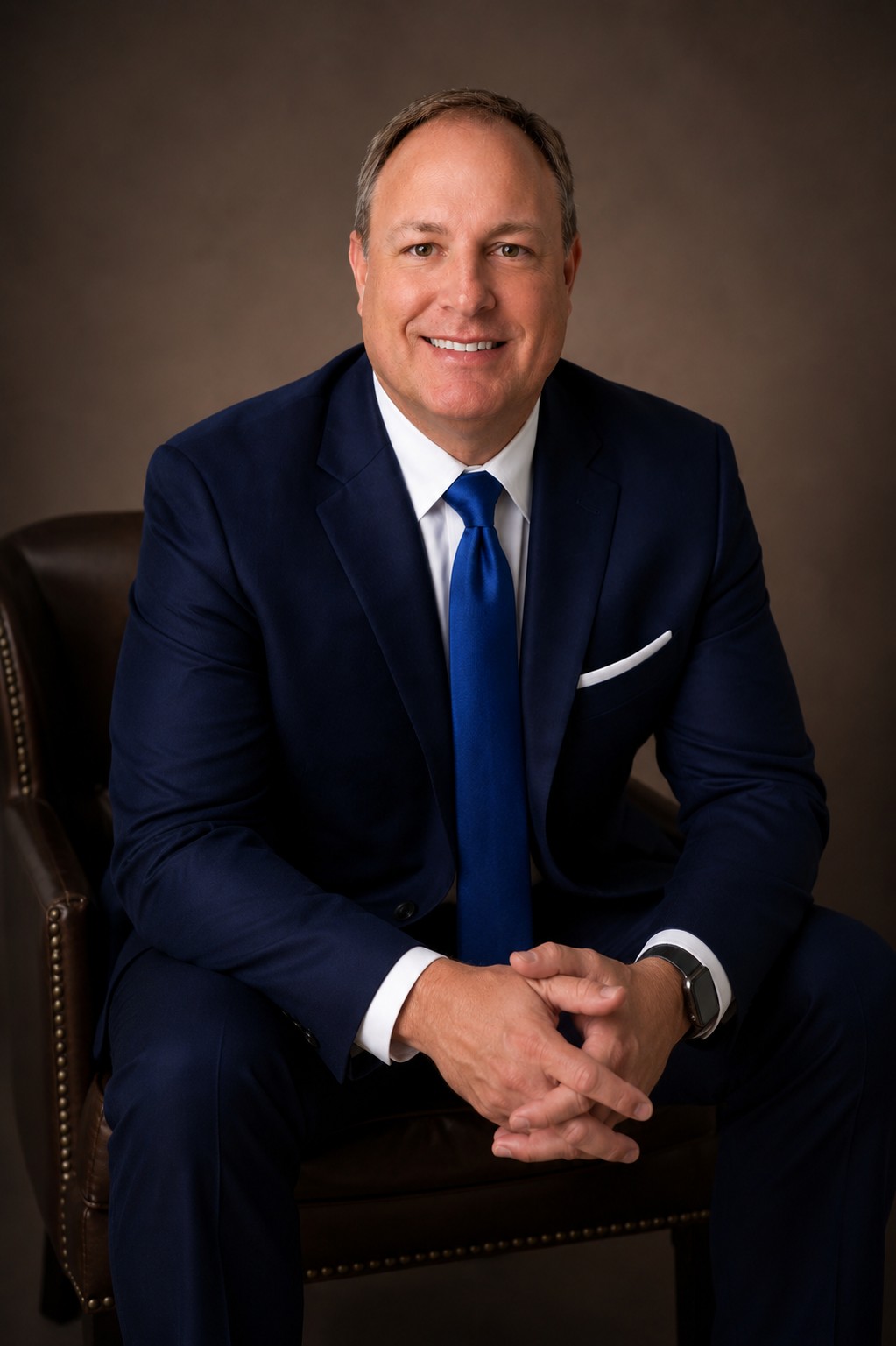
The professional story
In financial services, a decision could affect a customer’s future, a team’s confidence, and the health of a branch all at once. Later, at Electric Red, a growing technology-services company, the questions got broader: people, clients, vendors, finances, policies, and new states. I learned to listen before assuming I knew which part needed attention.
What connects those chapters is a willingness to take responsibility for the whole problem. I like finding the people who understand it, asking the questions that reveal what is actually happening, and helping turn an uncertain next step into work a team can carry.
Today I run Watkins Strategic Solutions. It gives that kind of work a home. My wider career, and my interest in leading within an organization, are part of the story too.
Leadership philosophy
A leader has to set a standard and help people meet it. That means being clear, listening when something is wrong, and having the difficult conversation instead of letting uncertainty do the talking. It also means remembering there is a person on the other side of every decision.
Understand the work, the people doing it, and the pressure around it before prescribing an answer.
Turn competing needs into priorities people can understand, own, and act on.
Handle the difficult conversations, keep commitments visible, and do the right thing when it is inconvenient.
How I work
I am comfortable moving between executive-level thinking and hands-on implementation. The goal is not more process. It is better judgment, stronger ownership, and work that holds together.
Learn how decisions, information, and relationships actually move through the organization.
See the relationship between people, process, clients, finances, tools, and day-to-day execution.
Make priorities, responsibilities, and decision points visible enough for people to move with confidence.
Follow the work through implementation, learn from what changes, and adjust without losing the objective.
A formative influence
In high school, the Jump Start program and the people who mentored me helped turn potential into direction. Their belief mattered because it came with encouragement to do the work.
That experience still shapes how I lead. People often need both belief and accountability: someone willing to see what is possible, set an honest expectation, and stay present while they grow into it. I try to offer that combination—to teams, colleagues, and organizations.
What I bring
I bring a cross-functional view, practical curiosity, and the willingness to stay with a difficult problem until there is a workable path forward.